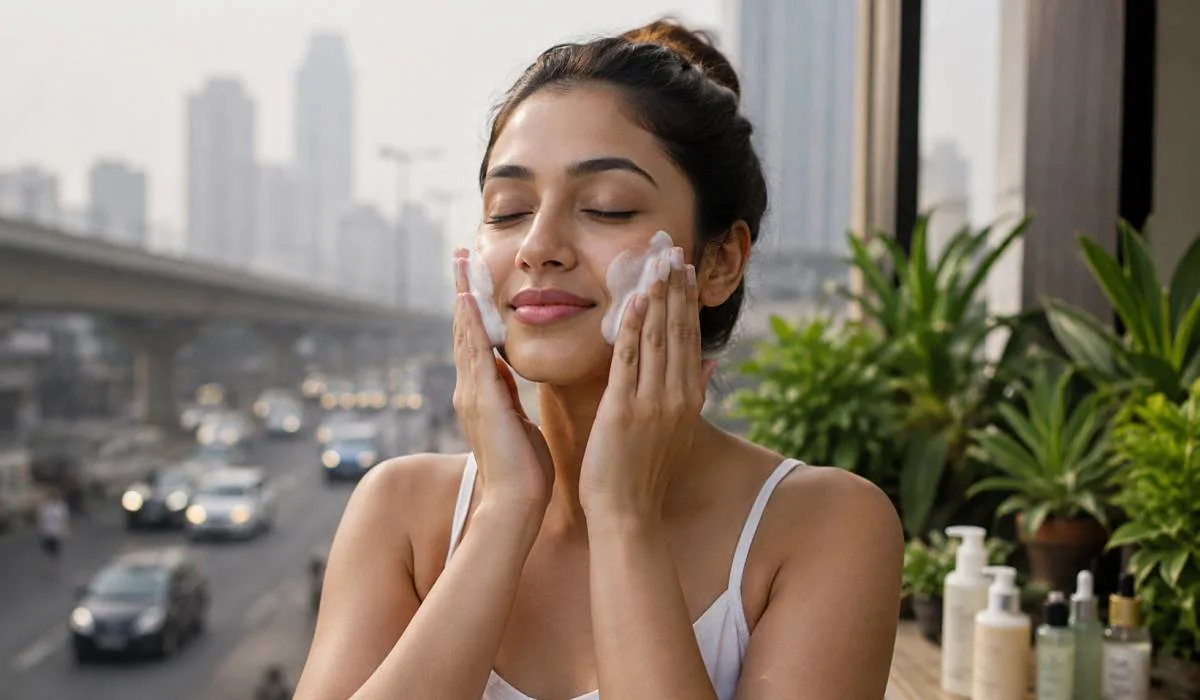
I never really thought about pollution and my skin. Then I moved to Mumbai and everything changed. More pimples. Dull looking face. My skin felt grimy even right after washing. I was so confused. Then I read about what pollution does to your face and it all clicked.
Those tiny particles in the air are not just bad for your lungs. They settle on your skin. Clog everything up. Make you break out. Age you faster. I had to change my whole routine. Now I follow a proper skincare routine for pollution protection and my skin looks so much better. Nothing fancy. Just simple steps that work.
How Pollution Damages Your Skin?
Before I tell you what to do, let me explain what you are dealing with.
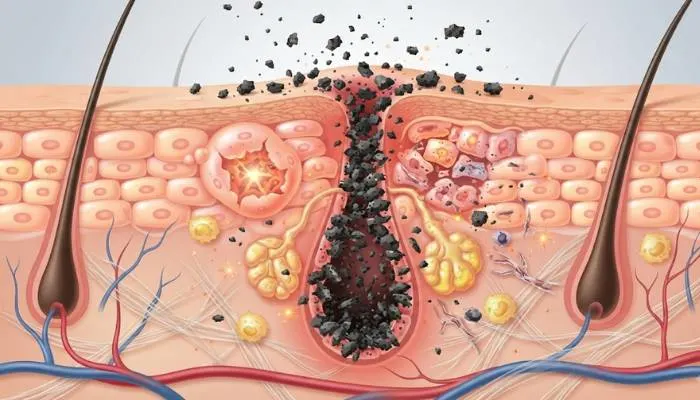
Pollution particles are tiny. Like twenty times smaller than a human pore tiny . They do not just sit on your skin. They get inside. They cause inflammation and damage your skin cells .
Here is what happens:
- Oxidative stress - Pollution creates free radicals. These damage your skin cells and break down collagen. This causes wrinkles and sagging .
- Inflammation - Pollution triggers inflammation. This makes acne worse. Also eczema, rosacea, and other skin problems .
- Weak skin barrier - Your skin barrier keeps moisture in and toxins out. Pollution weakens it. Then your skin gets dry, irritated, and sensitive .
- Clogged pores - Dust and particles settle on your skin. Mix with oil and block your pores. This causes blackheads and breakouts .
- Pigmentation - Pollution and UV rays together make dark spots worse. Especially for Indian skin tones .
Read More: Best Skin Cycling Routine for Beginners: Easy 4-Night Guide
How to Protect Your Skin from Dust and Pollution
You cannot avoid pollution. But you can protect your skin from it. These steps work.
Step 1: Cleanse Properly
This is the most important thing. Pollution particles settle on your skin all day. You need to wash them off at night.
- Double cleanse in the evening - Start with an oil-based cleanser. This dissolves makeup, sunscreen, and heavy pollutants. Then use a water-based gentle cleanser. This removes remaining dirt .
- Use a gentle cleanser - Do not use harsh soaps. They strip your natural oils and damage your barrier. Look for sulphate-free and alcohol-free formulas .
- Wash twice a day - Morning and night. If you are outdoors a lot, wash as soon as you get home .
Step 2: Use Antioxidants
This is your shield. Antioxidants fight the free radicals that pollution creates. They neutralise the damage before it harms your skin .
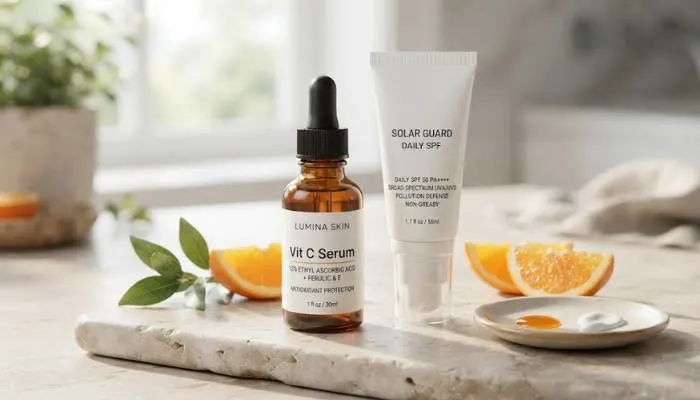
- Vitamin C - This is the most important one. Use a vitamin C serum every morning. It neutralises free radicals and brightens your skin .
- Niacinamide - Strengthens your skin barrier and calms inflammation. Great for acne-prone skin .
- Vitamin E - Works with vitamin C to protect your skin. Often found together in products .
- Green tea extract - Full of antioxidants. Fights oxidative stress and inflammation .
- Resveratrol - Found in grapes. Strong antioxidant that protects against pollution damage .
Step 3: Strengthen Your Skin Barrier
A strong barrier keeps pollutants out and moisture in. If your skin is dry, flaky, or sensitive, your barrier is damaged .
- Use ceramides - These are like glue for your skin cells. They repair and strengthen your barrier .
- Use hyaluronic acid - Pulls moisture into your skin. Keeps it plump and hydrated .
- Use a good moisturiser - Apply after cleansing while your skin is still damp. This locks in hydration .
Step 4: Never Skip Sunscreen
Pollution and UV rays together are worse than either alone. The sun amplifies the damage pollution causes .
- Use SPF 30 or higher - Every single day. Even when indoors. Even on cloudy days .
- Broad spectrum is important - Protects against both UVA and UVB rays. Look for PA++++ for UVA protection .
- Reapply every 2-3 hours - Especially if you are outdoors. Setting sprays with SPF can help .
How to Treat Acne Caused by Pollution?
Pollution acne is different from regular acne. It is caused by particles blocking your pores and inflammation from oxidative stress .
Here is how to treat it:
- Cleanse properly - Double cleanse every evening. Use a gentle cleanser with salicylic acid if you are prone to breakouts .
- Use niacinamide - Calms inflammation and strengthens your barrier. Great for pollution-related breakouts .
- Exfoliate 2-3 times a week - Use mild chemical exfoliants like salicylic acid or glycolic acid. This unclogs pores and removes dead skin cells .
- Use anti-pollution skincare - Some products have anti-adhesion textures. They stop pollution particles from sticking to your skin .
- Do not over-exfoliate - Too much exfoliation damages your barrier. Makes your skin more vulnerable to pollution .
Skincare Routine for Pollution Protection: Dermatologist Approach
Dermatologists recommend a simple but consistent routine .
Morning Routine
- Gentle cleanser - Wash your face with a mild, sulphate-free cleanser .
- Antioxidant serum - Vitamin C or peptide serum. This protects you all day .
- Moisturiser - Lightweight, non-comedogenic formula. Hyaluronic acid or squalane works well .
- Sunscreen - SPF 30 or higher. Broad spectrum. Non-negotiable .
Evening Routine
- Double cleanse - Oil cleanser first. Then gentle water-based cleanser. Removes all pollution and grime .
- Exfoliate 2-3 times a week - Mild chemical exfoliant. Glycolic or salicylic acid .
- Treatment serum - Retinol or retinoid a few nights a week. Helps cell turnover and repairs damage .
- Hydrating serum - Hyaluronic acid to keep skin plump .
- Moisturiser - Richer cream with ceramides or antioxidants. Repairs barrier overnight .
Weekly Additions
- Hydrating sheet mask - Once a week. Especially when pollution feels bad .
- Charcoal or clay mask - Draws out impurities and detoxifies skin .
You May Also Read: PCOS Acne Skincare Routine: Best Treatments That Actually Work
Anti-Pollution Skincare: Ingredients to Look For
When you buy products, look for these ingredients.
| Ingredient | What It Does |
|---|---|
| Vitamin C | Neutralises free radicals, brightens skin |
| Niacinamide | Strengthens barrier, calms inflammation |
| Vitamin E | Protects and hydrates |
| Ceramides | Repairs skin barrier |
| Hyaluronic acid | Hydrates and plumps |
| Green tea extract | Anti-inflammatory antioxidant |
| Resveratrol | Strong antioxidant from grapes |
| Ferulic acid | Boosts other antioxidants |
| Peptides | Supports collagen production |
| Salicylic acid | Unclogs pores, treats acne |
| Glycolic acid | Exfoliates and brightens |
Lifestyle Habits That Help
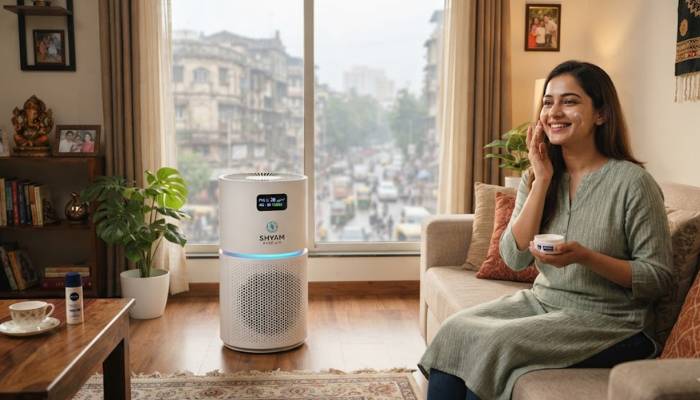
Skincare products are not enough. Your lifestyle matters too.
- Eat antioxidant-rich foods - Fruits, vegetables, nuts, seeds. These fight free radicals from inside .
- Drink plenty of water - Hydration keeps your skin barrier strong .
- Wear a mask in heavy pollution - N95 or KN95 respirators filter microscopic particles .
- Use an air purifier at home - Reduces indoor pollutants .
- Shower after heavy exposure - Washes pollutants off your body .
- Quit smoking - Tobacco smoke damages collagen and causes premature aging .
- Prioritise sleep - Your skin repairs itself while you sleep .
Final Words
Pollution is everywhere. You cannot avoid it. But you can protect your skin. Cleanse properly. Use antioxidants. Strengthen your barrier. Never skip sunscreen.
These steps are simple but they work. I have been doing this routine for months now. My skin looks so much better. Less breakouts. Less dullness. Real glow.Start with one step. Add more as you go. Be consistent. Your skin will thank you.
FAQs
1. What is the best skincare routine for pollution protection?
Cleanse twice daily, use an antioxidant serum like vitamin C, moisturise to strengthen your barrier, and never skip sunscreen. Double cleanse at night to remove all pollutants.
2. How does pollution cause acne?
Pollution particles clog pores and trigger inflammation. They also oxidise sebum, making it more pore-clogging . This leads to blackheads, breakouts, and uneven skin texture.
3. What ingredients protect skin from pollution?
Vitamin C, niacinamide, vitamin E, green tea extract, ceramides, and hyaluronic acid. These neutralise free radicals and strengthen your skin barrier .
4. Is sunscreen really needed for pollution protection?
Yes. UV rays amplify the damage pollution causes . Use SPF 30 or higher daily, even when indoors or on cloudy days.
5. How often should I exfoliate for pollution-related acne?
2-3 times a week. Use mild chemical exfoliants like salicylic acid or glycolic acid . Over-exfoliating damages your barrier and makes your skin more vulnerable.
6. Should I double cleanse every day?
Yes, especially if you live in a city or commute outdoors. Oil cleanser removes pollutants and sunscreen. Water-based cleanser removes remaining dirt .
7. Can diet help protect skin from pollution?
Yes. Antioxidant-rich foods like fruits, vegetables, nuts, and seeds fight free radicals from inside . Omega-3 fats help repair your skin barrier .
8. How do I know if my skin barrier is damaged?
Dryness, flakiness, redness, sensitivity, and irritation. Your skin feels tight and products sting when applied .