
You have been an Indian with dry or thin hair that falls a lot, and so you have tried a lot of branded shampoos and oils at a slow rate or mixed results. Meanwhile, you might have observed that the number of people surrounding you, who use herbal and Ayurvedic products, is growing.
This is because of one factor; these products are aimed at the scalp and roots, not only at the foam and smell. You will also receive unveiled, candid view of the best herbal hair care products for Indian hair, best Ayurvedic tablets to use in growing hair and the best Ayurvedic herbs that may help in decreasing hair fall an It is plain Indian English, there are no complex words, no slang, no artificial intelligence copy.
The importance of using herbs on Indian hair
Indian hair is unlike most other hair types due to the weather, routine and daily routine. Majority of the Indians reside in hot, humid, or dusty regions, apply heat appliances such as straighteners or blow-dryers, and wash hair at least three times a week.
Most of them also dye their hair, apply chemical relaxers or apply the strong-foam shampoos daily. Gradually, this gradually deteriorates the scalp, alters the balance of the oil (either too oily or too dry), and loosens roots and increases the likelihood of the hair to break apart.
- According to traditional Ayurveda hair growth is primarily dependent on three things:
- a good healthy head, and good blood circulation,
- exercise, good digestion, hormones, sleep (a strong and balanced body system);
- and safety against inhumane chemicals, contamination and stress.
This is the case with herbal hair care products. They apply vegetable oils, powders and extracts that do not de-nature the scalp entirely and make it highly vulnerable. Slow, gradual care would be better than rushing to the shop and buying chemical shampoos that are giving a good smell today but will leave the scalp weak after some time to Indian users.
Read More: How to Make My Hair Grow Faster: A Simple Guide for Everyone
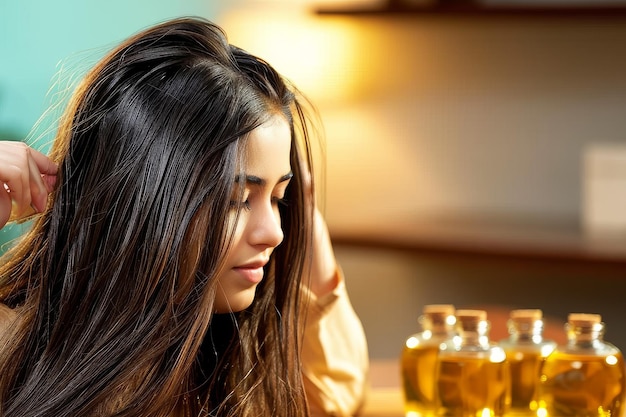
Top 10 Ayurvedic herbs that help hair growth
You will find numerous brands with Ayurvedic written in their bottles, and very fewer explaining what and which herbs are found in these drinks. The 10 popular Ayurvedic herbs that are employed to treat Indian hair are listed below and explained in simple understanding.
Bhringraj (the favourable hair herb of most Indian households)
One of the oldest herbs that are used to treat hair in Indian families is Bhringraj. It enhances the circulation of blood in the head thereby ensuring that the roots receive more nutrients. It can also be used to slow down hair loss and promote hair growth particularly in individuals who lose their hair due to stress, childbirth, or illness.
Amla (Indian gooseberry Shine and strength)
Amla contains vitamin C and natural antioxidants. It assists in healing a damaged head, taming dry dandelions, and makes hair strands sturdier. The frequent application of oils or hair powds made of Amla will bring shine and postpone greying. Amla also remains popular among many people owing to the fact that it makes hair soft after washing.
Brahmi (stress and soothing scalp)
Brahmi is associated with memory and calmness though it benefits hair roots. It helps the scalp that becomes irritated to heal and enhances blood circulation. This comes in handy with those whose hair fall begins after long working hours, office pressure or when they are not getting sleep.
Hibiscus (to get the hair thicker and softer)
Hibiscus flowers are common in most of the traditional hair oils and homemade packs. They assist in thickening, softening and making hair shiny. They are also beneficial to the head as they regulate the excessive amount of oil and tiny flakes.
Shikakai (natural cleanser, not strong)
Shikakai is an ancient plant that has been utilized as a mild soap. It washes the hair and scalp without leaving the scalp dry as the harsh chemical shampoos do. Numerous herbal shampoos substitute normal soap with Shikakai in order to keep the scalp relaxed and not overstretched following the washing session.
Neem (itchy scalp and dandruff)
Neem possesses a cooling and excellent antiseptic property. It prevents dandruff, itchy scalp and minor infections which expose more hair to fall. Individuals whose scalp is oily and itchy and those whose dandruff is very frequent are likely to experience relief when applying Neem based oils or herbal shampoos.
Ashwagandha (stress support and body support)
Ashwagandha is a herb associated with stress and strength but it assists hair indirectly. With less stress and hormonal issues, the hair fall caused by tension, irregular periods or low energy may decrease. Ashwagandha is used with Bhringraj and Amla in many Ayurvedic hair tablets to support all in general.
Methi (Fenugreek) - excellent weak and thin hair.
Fenugreek seeds are very nutritious which helps in supporting weak and thin hair. They are able to make the hair feel thick or cut hair fall in the case of a regular use as a pack or herbal product. Methi water or hair packs that are made of methi are popular in several Indian households.
Henna (natural colour, protective too)
Henna may be applied as a natural colour, though it is also applied to the scalp hair shaft and also to cool the scalp. This comes in handy to individuals who experience burning or hot scalp, during summer. It must not be used in isolation every week because it is supposed to be combined with other herbs, or the hair will be rigid.
Jatamansi (to induce sleep and nerves on the scalp)
In Ayurvedic oils, jatamansi (some) is used to soothe the nerves in the scalp and help in getting a better sleep. This herb does not just target the hair but rather the entire system when stress and poor sleep are the primary causes of the hair fall.
A combination of these herbs by using oils, powders, tablets or shampoos is more effective than relying on one herb. An excellent product does not merely put one well-known herb in it in order to demonstrate it; it combines a number of these together in a moderated manner.
What To Remember About Ayurvedic Pills to Hair
Ayurvedic pills or capsules are consumed internally in the body to promote hair growth at the roots. They are not immediate solutions, however, they can help in case they are used frequently, 3-6 months in combination with a proper diet and scalp treatment.
Looking after the best Ayurvedic tablets to grow hair in India, you will find numerous brands with long lists of ingredients. Here is what to focus on:
Primary herbs that should be sought in pills
Good tablets normally include a combination of Bhringraj, Amla, Brahmi, Ashwagandha and in some cases Neem or Jatamansi. These herbs also aid in blood circulation, head and also balance hormones not a mere gloss over coat.
Iron, zinc, B vitamin role
Small quantities of iron, zinc, and B vitamins are also added to many Ayurvedic hair supplements. Such minerals are important to individuals who experience a lack of strength, fatigue, or low haemoglobin levels that may result in loss of hair and some people have thin and split hair.
Do not buy the one that states that it will work in days
Every product claiming to make the hair thick within the next 15 days or to make the hair not to fall during the next month is employing the use of marketing language and not real science. authentic herbal pills are slow acting. They assist in lessening hair loss, enhancing shine, and facilitating growth after several months, not days.
Simple tips for Indian users
- Always check the label and see whether any ingredient can cause allergy.
- Also prefer tablets whose names of the herbs are clearly spelt out and not only special herbal blend.
- Only use without consulting with a local doctor in case of diabetes, thyroid, and high blood pressure.
- There is no need to omit healthy eating and sleep and rely solely on tablets.
- Tablets will take at least 3 months to determine whether they work or not.
As you elaborate on this section, the readers are likely to believe that you are offering them genuine tips and not selling to them a brand.
You May Also Read: Long Hairstyles Ideas: Stunning Looks for Every Occasion
Indian hair herbal hair care products (daily use)
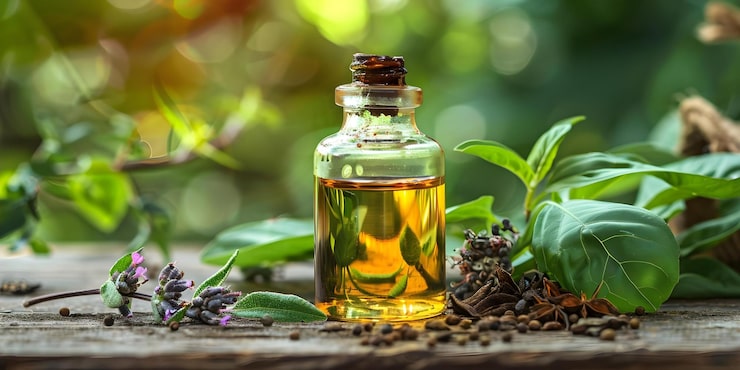
Today we can discuss the products that the Indian people actually purchase and use these are oils, shampoos, conditioners, and masks made of herbs. A viable herbal product must address one distinct issue: reduced fall of hair, healthier scalp or more glamorous.
1. Scalp and hair herbal oils
The Indian hair care has been using herbal oils over the years. They ease the hair, lessen the breakages and help in supporting the scalp.
High-quality oil mixtures to consider
Find oils that contain Bhringraj, Amla and Brahmi. The combination of these three herbs is beneficial to healthier roots and a relaxed head. Hibiscus, Neem, or Jatamansi are some brands that are also added to gain additional advantage.
The question of the use of oils in Indians climate
In cities with high humidity and temperature, most individuals believe that their scalp gets so oily when they leave oil overnight. A more practical way is:
- Use a little oil and place it 2 3 hours prior to washing.
- caress your head with clean fingertips only.
- Wash with a gentle herbal shampoo so as not to dry the scalp too much.
2. No harsh chemicals: herbal shampoos
A shampoo made of herbs must be able to clean but not to take away all the natural oil on the head. Most Indian brands are currently substituting strong sulphates with Shikakai, Sapindus, Amla and Neem.
What to check on the bottle
- Never use those products that say paraben-free or sulphate-free but do not give the list of herbs.
- Look for products which state 3-5 herbs and make the ingredient list appear brief and concise.
How often to wash in India
Two to three times a week with a herbal shampoo suffices with most of the Indian hair types. Washing on a daily basis with thick foam may lead to a dry and itchy scalp thus accelerating hair loss in the long run.
3. Herbal conditioners and masks
The herbal conditioners can be used on people that have dry, frizzy or chemically treated hair. They assist in de-tangling of the hair and decrease the breakage or splitting during combing.
- Select conditioners containing Amla, Hibiscus or Fenugreek or other cooling herbs.
- Apply them on the middle and ends but not on the scalp to prevent greasiness.
Certain herbal masks have to rest on the hair between 20-30 min and then wash. They are suitable to individuals who wash their hair two times a week and require additional nourishment.
How to select herbal hair products around you in India
By typing in the keyword near me, you will find that users mean: How can I purchase these in my city or in my locality? In the case of an Indian blog, this section must be local and easy.
Basic chemists and local Ayurvedic shops.
Herbal oils, powders and tablets are available in many small Ayurvedic stores and local chemists in such cities as Delhi, Mumbai, Bangalore, Chennai, and Hyderabad. You may request those products that contain Bhringraj, Amla, Brahmi or Neem on the label.
Buying via wire via the Internet in cash
Popular Ayurvedic brands are currently sold directly on their websites and on such large platforms as Amazon, Flipkart, and medicine-delivery applications. This serves individuals in smaller towns where it may not have large stores around them.
What to avoid when buying
- Extremely low-price items whose ingredients are not clearly labeled.
- Products that claim to grow instantaneously or no hair would fall within 10 days.
- Brands not known, and no apparent reviews or physical location.
Even something as simple as adding a small note such as: If you live in [your city], visit these local shops or use them online will make the article seem more like a real world application.
Basic weekly care of Indian hair that is based on herb products
Withdrawing list of products, demonstrate to the readers how to utilize them in a regular week. This turns your guide into a page that sells and not a marketing page.
Day 1 and 4 (oil days)
- Put a little herbal oil (Bhringraj + Amla + Brahmi mix) on the hair length and the head.
- Lightly massage over a 510 minutes then wash after 23 hours with a herbal shampoo.
Day 2 and 5 (wash days)
- Apply weak herbal shampoo 2-3 times/week.
- Should it be necessary a herbal conditioner can only be applied to the ends to prevent being greasy.
Day 3 (optional powder pack day)
- Add water or curd to herbal hair powder (Amla, Shikakai, Hibiscus).
- Apply on the scalp and hair for 20–30 minutes, then wash off. This helps remove excess oil and sweat.
Every day (tablets and diet)
- Take Ayurvedic hair tablets only if you checked with a doctor or nutritionist.
- Eat more protein (dal, paneer, eggs, curd), green vegetables, and drink enough water.
This routine is simple, affordable, and close to how many Indian families already care for their hair. Readers will find it easy to follow and will trust the content more.
Conclusion
In the case of Indian hair, it is not about switching brands every month, but about a very simple and consistent routine with the use of herbal products. The hair fall along with the hair strength can be restored gradually by applying gentle herbal oils, herbal shampoos and balanced diet and proper Ayurvedic tablets when required in 3-6 months.
When shopping the products, check the ingredients, do not be misled by the claims and choose the products in the reliable brands or in local Ayurvedic stores. In case the article is written in a more relaxed, everyday Indian style, it will be perceived more of a real guide and not of AI-written text, yet with a definite value to the readers.
FAQs
Which herbs are the most effective in hair care of Indians?
The most effective herbal hair care items to use in Indian hair normally combine such herbs as Bhringraj, Amla, Brahmi, Neem, and Hibiscus in oils, shampoos, or powders. These lead to stronger roots, reduced hair loss and healthier scalp, which can withstand Indian climate and regular washing.
Are Ayurvedic pills safe to use every day as Ayurvedic pills in hair growth?
Most tablets marketed as the best Ayurvedic tablet that grows hair are safe when they are taken in the appropriate dose and at the appropriate time but again it is better to consult a local physician, particularly when one has diabetes, thyroid or high blood pressure. Tablets do not work well on their own, they should be used with good food and sleep.
What are the benefits of Top 10 Ayurvedic herbs on hair growth on Indian hair?
The Ayurvedic herbs that are said to aid in hair growth such as Bhringraj, Amla, Brahmi, Neem, Hibiscus, Shikakai, Ashwagandha, Fenugreek, Henna, and Jatamansi are listed among the Top 10 Ayurvedic herbs to improve blood circulation to the head, reduce stress, treat dandruff, and strengthen hair as the herbs age.
Are there any Best herbal hair care products that are available in Indian hair in small towns?
Ok, in most cases, not only in large cities you could be able to find Best herbal hair care products to Indian hair, but also in smaller towns, using local Ayurvedic shops and chemists. In the case of lack of local alternatives, there are also several well-known herbal brands on the internet, which can be ordered with cash-on-delivered.
What is the time taken to use herbal hair products?
Herbal hair products take a long time to work, therefore one would require a minimum of 3-6 months to achieve visible results. It is typically good because a regular routine of using herbal oils, mild shampoos, and a balanced diet will help reduce hair fall, enhance shine and aid in natural growth of Indian hair.